
7 Best Jogging Strollers for Runs and Everyday Walks
We may earn a commission on purchases made through retailer links, at no cost to you.
On This Page
The BOB Alterrain Pro is our pick for parents who want one stroller for regular runs and everyday walks. Its locking front wheel, downhill hand brake and covered basket make it a useful all-rounder, as long as you can manage the weight.
A fixed-wheel Thule Glide 3 makes more sense for a stroller used mainly for running. The Chicco Activ3 suits lighter jogging on a smaller budget, while the Wayfinder gives storage more attention. Start with your usual route and your child’s fit, then decide how much stroller you can lift and store.
Our Picks at a Glance
All 7 Strollers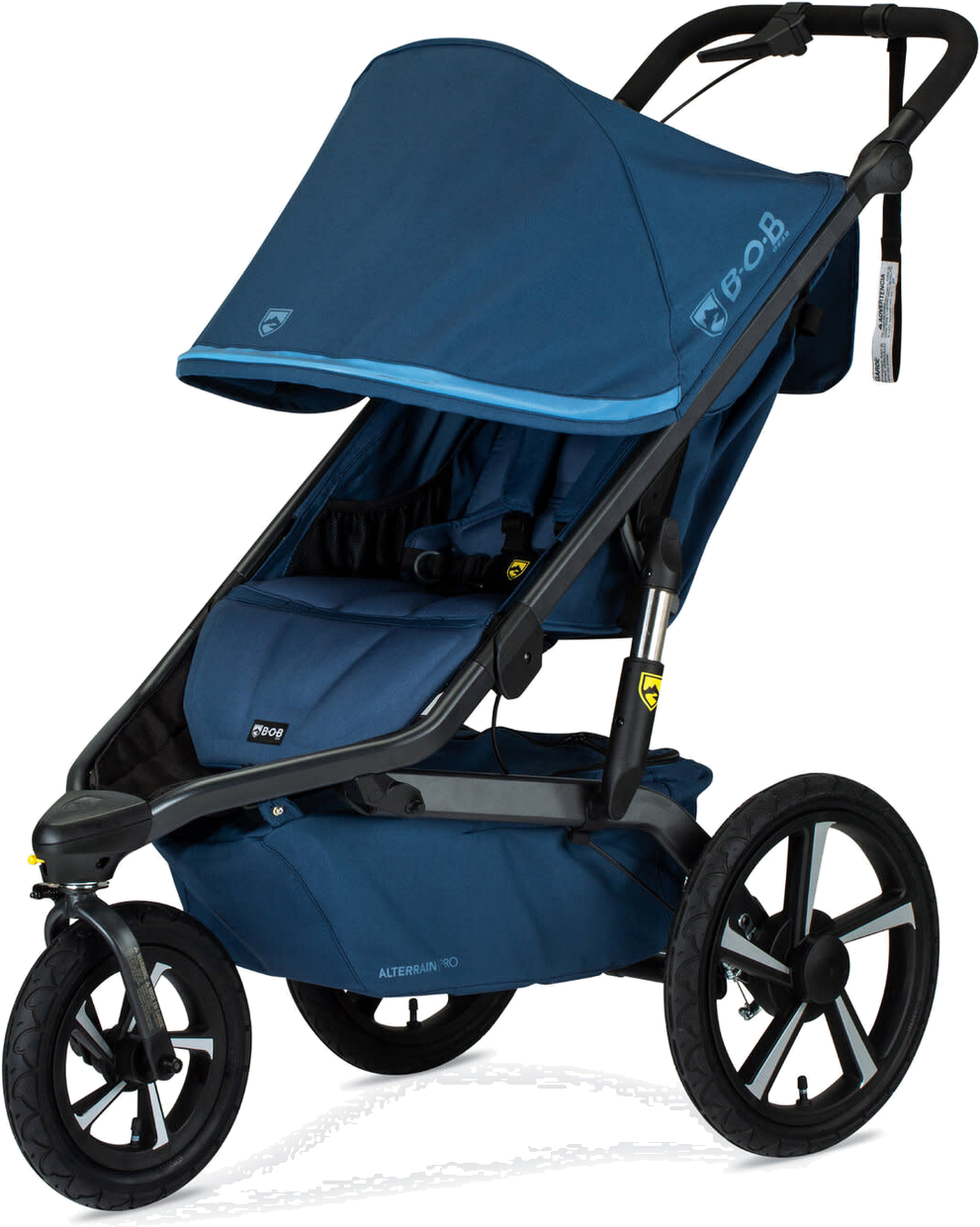
A swivel-wheel jogger with a downhill hand brake, air tires and a covered basket. The strongest all-round choice here if you can manage its weight.
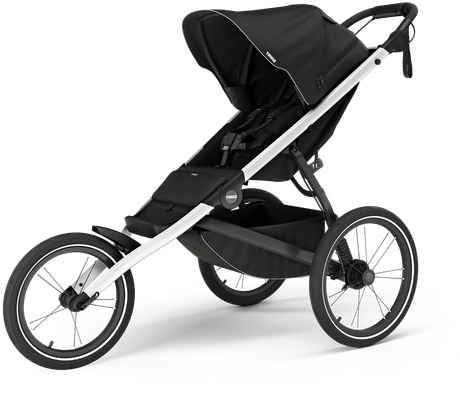
A lighter, fixed-wheel stroller for parents who put running ahead of tight indoor turns.
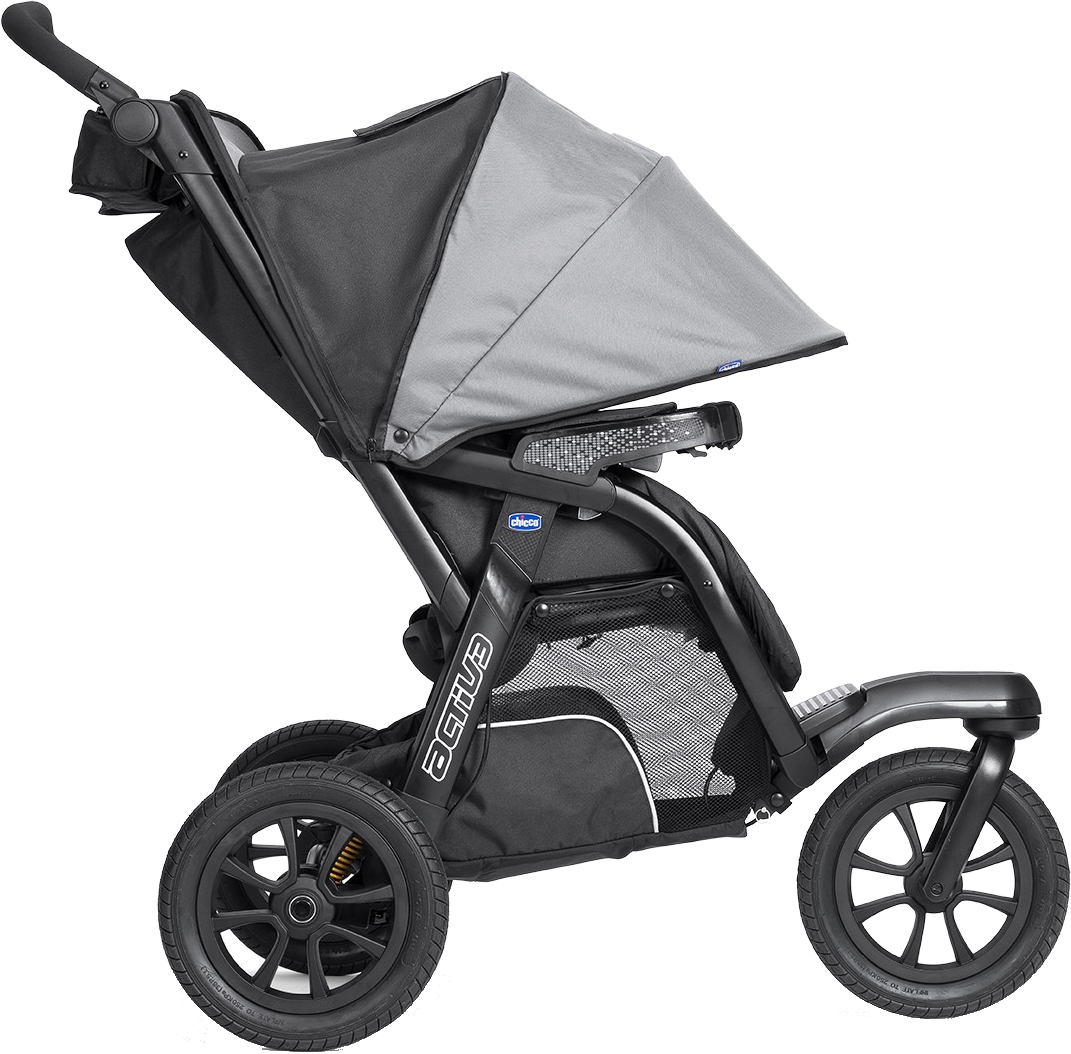
A lower-cost choice for light jogging, with foam-filled tires and a simple Chicco infant walking setup.
The Best Jogging Strollers
A fixed front wheel favors a dedicated running setup; a lockable swivel wheel makes the same stroller easier to use for walks. A hand brake matters on descents, and a smaller fold does not always mean a lighter lift. Use the overview to choose the trade-off that matches your route, then read the child and running limits beside each pick.
- Speed-control hand brake
- Locking swivel wheel and tracking adjustment
- One-hand standing fold
- Fixed front wheel for a running-focused setup
- Twist hand brake for downhill speed control
- 24.9 lb assembled weight
- Hand brake for speed control
- Wheels retract during folding
- Covered removable basket
- Handle adjusts from 34.5 in to 48 in
- Locking swivel wheel and tracking adjustment
- Lighter than the Alterrain Pro
- Deceleration brake for moving speed control
- Accepts Chicco infant seats without a separate adapter
- Standing and trunk folds
- Foam-filled tires need no inflation
- Chicco infant seats fit without a separate adapter
- Lighter than the Alterrain Pro
- 75 lb child allowance in the US manual
- Hand-operated deceleration brake
- One-hand fold
Our Jogging Stroller Picks
BOB Alterrain Pro
- Stroller weight
- 32.3 lb
- Maximum child weight per seat
- Not confirmed
- Folded size
- 39.3 in L × 25.5 in W × 16 in H
- Car-seat compatible
- Yes
Strengths
- Speed-control hand brake
- Locking swivel wheel and tracking adjustment
- One-hand standing fold
Trade-Offs
- Heavy to lift at 32.3 lb
- 75 lb limit includes child and luggage
The BOB Alterrain Pro is our first choice for parents who run on pavement and maintained uneven paths, then use the same stroller for walks. Its front wheel locks for running and swivels for everyday turns. The hand brake gives you a way to slow on descents, which the Revolution Flex 3.0 lacks.
The enclosed basket is useful on a run: small belongings stay contained instead of sitting in an open tray. Suspension and air-filled tires support the mixed-route design, though you still need to check tire pressure and choose a route within your ability. A rough trail is not automatically a suitable running route.
The price of that versatility is a 32.3 lb lift. Its one-hand standing fold helps with packing, but it does not make the stroller light. Choose the Thule Glide 3 if running is the main job and a fixed front wheel suits your route. Choose the Wayfinder if the folded footprint matters more than the Alterrain Pro’s wider handle-height range.
Use the Alterrain Pro manual for the final fit check. Running and off-road use start after 8 months, with appropriate head and neck strength. The child must be no taller than 44 in, and the manual’s 75 lb limit includes both child and luggage. Run with the seat fully upright, the front wheel locked and the wrist strap attached. Never run with an infant car seat fitted.
Thule Glide 3
- Stroller weight
- 24.9 lb
- Maximum child weight per seat
- 49 lb
- Folded size
- 35 in L × 22.8 in W × 12 in H
- Car-seat compatible
- Yes
Strengths
- Fixed front wheel for a running-focused setup
- Twist hand brake for downhill speed control
- 24.9 lb assembled weight
Trade-Offs
- Fixed wheel limits everyday maneuvering
- 49 lb maximum child weight
The Thule Glide 3 is the best fit here when you already have an everyday stroller and want one mainly for runs. Its fixed front wheel removes the walk-to-run swivel setting, and Thule leaves room around the parking brake for your stride. The twist hand brake controls speed on hills.
At 24.9 lb, it weighs less than the Alterrain Pro, which helps if you often lift it into a car. Large air-filled wheels and suspension suit its running role, while the leg rest and reclining seat add useful comfort for walks between runs.
The fixed wheel is also why this is not our overall winner. It does not swivel around store aisles like the BOB options. The 49 lb child limit is lower than the Summit X3’s 75 lb seat limit. Thule also limits use to 44 in in height or 4 years, whichever limit comes first. Pick the Alterrain Pro when a single stroller must handle both regular running and frequent errands.
The current Thule safety sheet says not to run before 9 months. Follow that stricter limit rather than older six-month shopping advice, and check readiness with your child’s pediatrician. For running, keep the seat upright and facing forward. A car seat or bassinet is for walking only.
BOB Wayfinder
- Stroller weight
- 31.1 lb
- Maximum child weight per seat
- 65 lb
- Folded size
- 16.5 in L × 22 in W × 32.5 in H
- Car-seat compatible
- Yes
Strengths
- Hand brake for speed control
- Wheels retract during folding
- Covered removable basket
Trade-Offs
- Still a substantial lift
- Narrower handle-height range than the Alterrain Pro
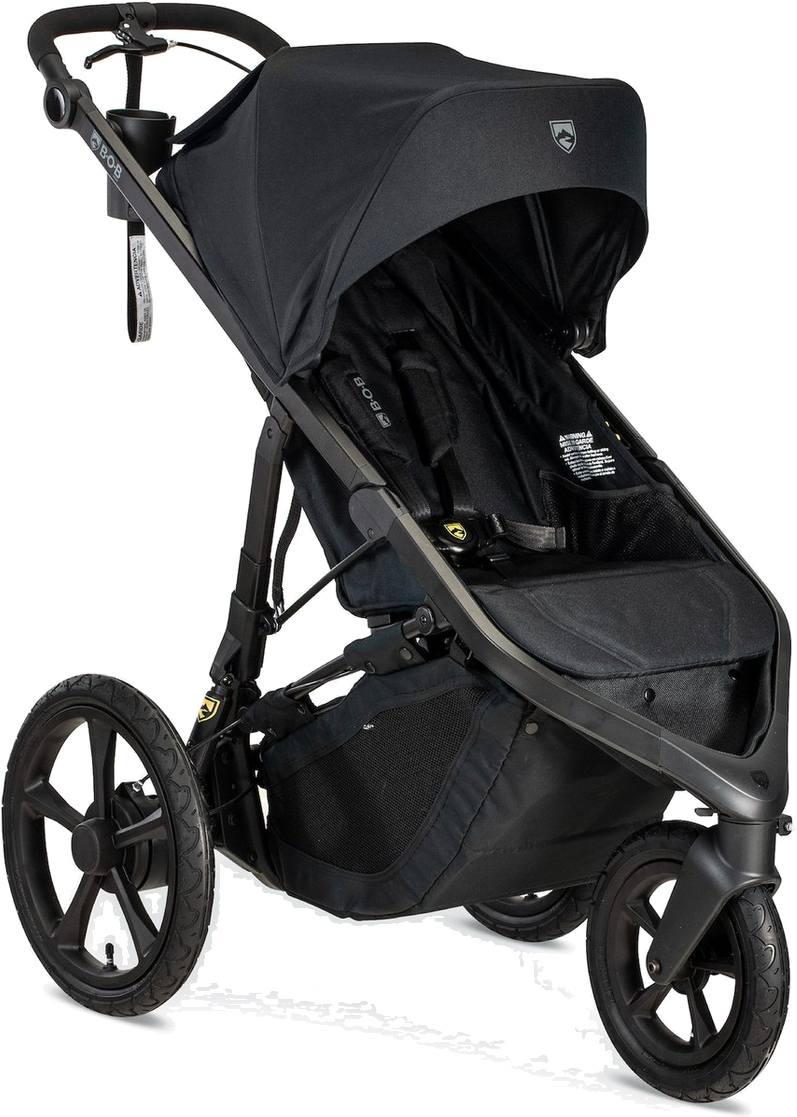
The BOB Wayfinder makes the most sense when storage is the part of stroller ownership you cannot compromise on. Its wheels pull inward during the fold, reducing the width without requiring you to remove them. That gives it a practical advantage over the Alterrain Pro when the stroller lives in a hallway or shares a trunk with other gear.
You still get the running features that matter: a locking swivel front wheel, tracking adjustment, air-filled tires and a hand brake for descents. The removable covered basket helps keep your walking kit together. It is a compact folded package by jogger standards, rather than a lightweight travel stroller.
The Wayfinder’s adjustable handle spans 34.5 in to 45.5 in. The Alterrain Pro reaches 48 in, so it offers more room to adjust upward if that is your priority. Handle height alone cannot guarantee stride clearance; compare the maker’s side views and handle range with a stroller you already find comfortable.
The Wayfinder manual limits the child to 65 lb and 44 in. It requires sufficient head and neck control before jogging or fast walking, with the front wheel locked in jog mode. Ask your pediatrician about readiness and never run with an infant seat attached. Its 75 lb headline capacity includes 10 lb of basket cargo; it is not a 75 lb child allowance.
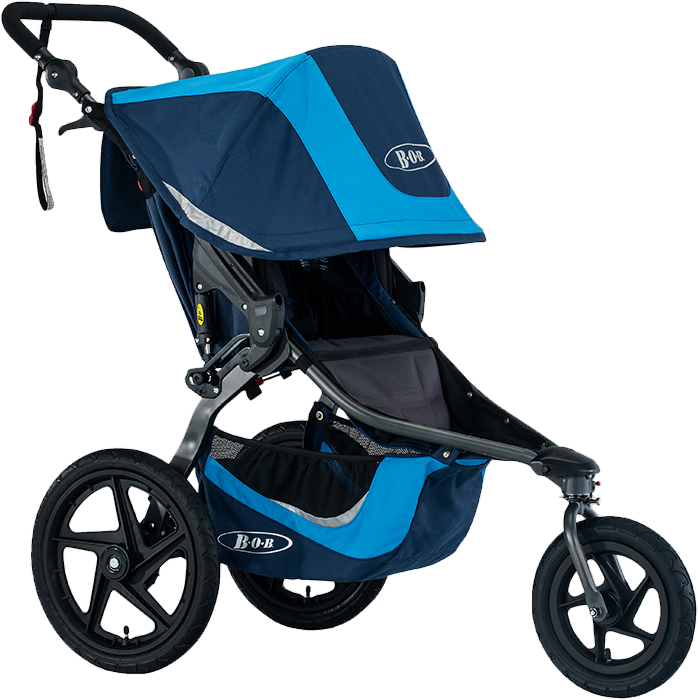
BOB Revolution Flex 3.0
- Stroller weight
- 28.5 lb
- Maximum child weight per seat
- Not confirmed
- Folded size
- 38 in L × 25 in W × 16 in H
- Car-seat compatible
- Yes
Strengths
- Handle adjusts from 34.5 in to 48 in
- Locking swivel wheel and tracking adjustment
- Lighter than the Alterrain Pro
Trade-Offs
- No moving speed-control brake
- Two-step fold
The BOB Revolution Flex 3.0 is worth choosing over the Alterrain Pro when your normal running route is fairly flat. It keeps air-filled tires, suspension and a locking swivel wheel, while cutting the lifting weight to 28.5 lb. The handle’s nine positions also give different adults more adjustment than a fixed handle.
The important omission is a speed-control hand brake. The foot brake parks the stroller; it does not replace a brake designed to slow a moving jogger downhill. If descents are a regular part of your route, spend on the Alterrain Pro or consider the Chicco TRE instead.
The fold takes two steps, so the Alterrain Pro is more convenient when you repeatedly pack it away. In return, the Flex is the lighter BOB of these three. It is a sensible compromise for running followed by ordinary walks, provided the route does not make the missing hand brake a poor trade.
The Flex 3.0 manual calls for children over 8 months with suitable head and neck strength for jogging or off-road use. It limits height to 44 in and total child-plus-luggage weight to 75 lb. Keep the seat upright, front wheel locked and wrist strap attached for runs. An approved infant-seat adapter creates a walking setup only.
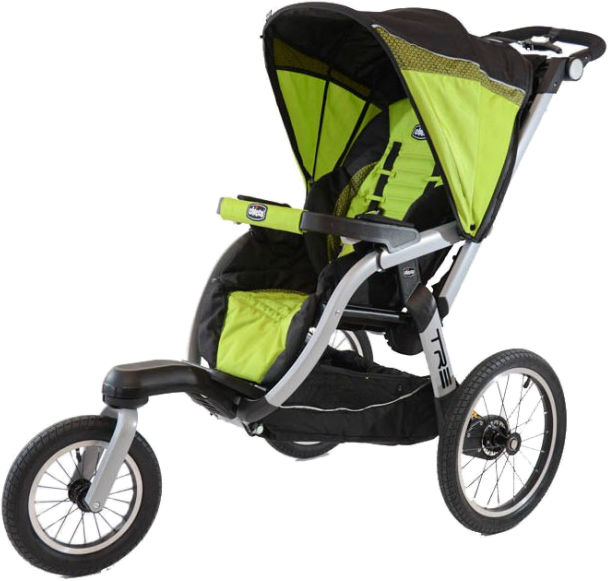
Chicco TRE
- Stroller weight
- 28.5 lb
- Maximum child weight per seat
- 50 lb
- Folded size
- 37.5 in L × 25.5 in W × 16 in H
- Car-seat compatible
- Yes
Strengths
- Deceleration brake for moving speed control
- Accepts Chicco infant seats without a separate adapter
- Standing and trunk folds
Trade-Offs
- Air tires need pressure checks
- Running starts at 12 months
The Chicco TRE is the value pick for parents who want a hand brake as well as a stroller they can use on ordinary outings. Its deceleration control is the reason to choose it over the cheaper Activ3 for routes with descents. The air-filled tires also make it a more running-focused choice than its foam-tire sibling.
It has a useful advantage for families with a compatible Chicco infant seat: the stroller accepts it without a separate adapter. The stroller seat can also be removed for a frame-carrier setup. That is an early walking option, not permission to jog with a baby in a car seat.
The TRE weighs 28.5 lb with the stroller seat fitted. It is lighter than the Alterrain Pro, but its 50 lb child limit leaves less room for a heavier child than the Summit X3. Choose the Alterrain Pro if its handle range or covered running setup better suits you; choose the TRE when you want a hand brake without moving to the highest-priced group.
The TRE manual sets jogging and off-road use at 12 months or older, after checking suitability with a pediatrician. The child limit is 50 lb; also check harness and seated fit. Lock the front wheel for running and use the tether. Do not run with the infant car seat attached.
Chicco Activ3
- Stroller weight
- 27.5 lb
- Maximum child weight per seat
- 50 lb
- Folded size
- 37.5 in L × 25 in W × 15 in H
- Car-seat compatible
- Yes
Strengths
- Foam-filled tires need no inflation
- Chicco infant seats fit without a separate adapter
- Lighter than the Alterrain Pro
Trade-Offs
- No deceleration brake
- Running starts at 12 months
The Chicco Activ3 is our lower-cost choice for parents whose routine is mostly walking with some light jogging. Its foam-filled tires avoid pressure checks and puncture repairs. At 27.5 lb, it also weighs less than the larger BOB Alterrain Pro.
The handle controls the parking brake and front swivel lock. Neither is a deceleration brake. That distinction matters more than the fact that a control sits near your hand: the TRE gives you the separate ability to slow the stroller while moving. Choose it if hills or more regular running justify the extra cost.
For an infant walking setup, the Activ3 accepts Chicco infant car seats through its included attachment. The KeyFit 30 is one approved example, supplied with the maker’s Activ3 Solar travel system. Keep the infant seat and stroller manuals together and check the exact seat model before buying. The wheels-on trunk fold is longer than the Wayfinder’s standing fold, so compare the shapes rather than only the biggest number.
The Activ3 manual requires at least 12 months for jogging or off-road use and a pediatrician’s suitability check. The child limit is 50 lb; also check harness and seated fit. Use the locked running position and tether; the car-seat setup is for walking only.
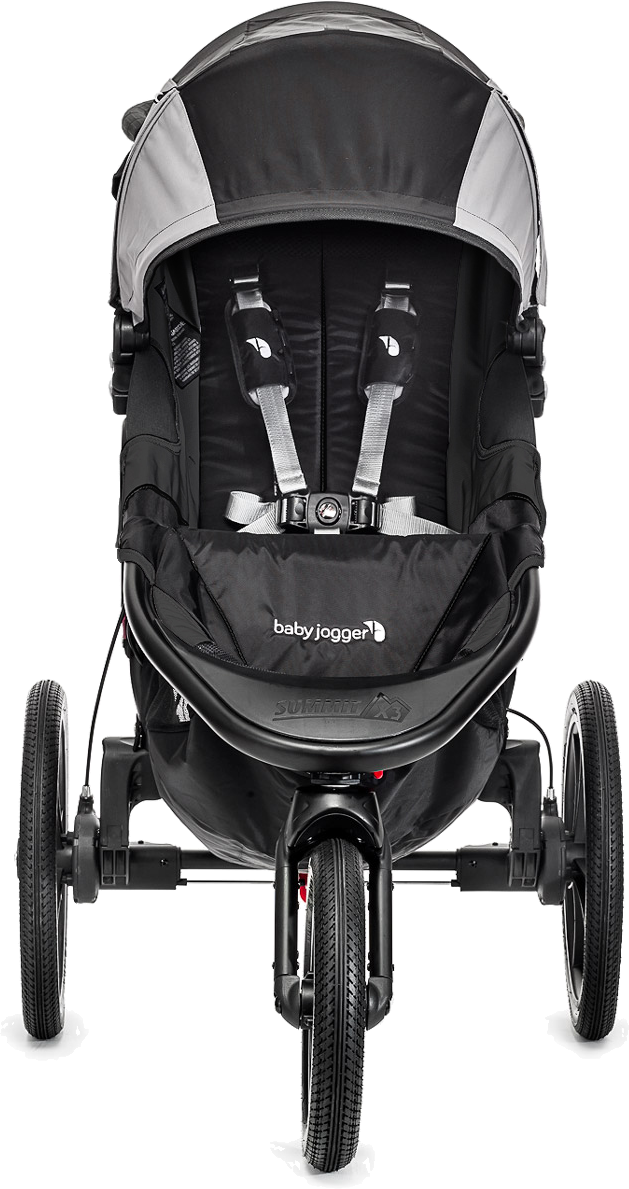
Baby Jogger Summit X3
- Stroller weight
- 28.44 lb
- Maximum child weight per seat
- 75 lb
- Folded size
- Not confirmed
- Car-seat compatible
- Yes
Strengths
- 75 lb child allowance in the US manual
- Hand-operated deceleration brake
- One-hand fold
Trade-Offs
- Fixed handle offers less adult-fit adjustment
- Check the folded size before buying for a small trunk
The Baby Jogger Summit X3 is the clearest choice here when a higher child-weight allowance matters. Its US manual separates the 75 lb seat limit from cargo. That is more useful than a headline total-load figure, although a child must also stay within the 44 in height and 5-year age limits and fit the harness properly.
It combines air-filled tires, suspension and a deceleration brake, so the recommendation does not depend on capacity alone. A one-hand fold helps when the stroller goes into the car often. Its handle does not offer the BOB models’ height adjustment, so check the stated handle dimensions against a stroller you already use before making this your shared family jogger.
The Thule Glide 3 is the lighter, dedicated-running option if its lower child limit suits you. Choose the Summit instead when the larger allowance is useful and you want a swivel wheel for walking. Do not buy on the weight limit alone or assume its fold will fit a small trunk without checking the exact current dimensions.
The Summit X3 manual prohibits running under 6 months; a minimum age does not establish your child’s readiness. Run with the front wheel locked, seat fully upright and jogging strap attached. Do not jog with a bassinet or car seat fitted.
How to Choose a Jogging Stroller
Choose for the Route You Actually Run
Look for explicit running permission in the exact model’s manual. Three wheels, an all-terrain label and a front-wheel lock do not prove that a stroller is approved for jogging. The BabyPicks jogging and all-terrain catalogue includes both uses, so check the individual model before running.
For pavement and maintained packed paths, compare the permitted wheel mode and the controls you need. A parking brake holds a stationary stroller; a deceleration brake helps regulate moving speed. Neither suspension nor large wheels makes a steep, rocky or obstructed trail suitable. Choose an easier route when the surface or slope exceeds your control.
Check Child Fit Before Capacity
Read the child-weight limit, height limit and running conditions separately. Some BOB manuals state a combined child-and-luggage maximum, while the Summit X3 gives a separate seat allowance. Do not treat those numbers as interchangeable. Leave room for the cargo you intend to carry, and stop using a stroller when any applicable limit is reached.
Running ages differ across these models. The linked Glide 3 safety sheet says 9 months; the Chicco manuals say 12 months. The BOB Flex and Alterrain Pro manuals call for over 8 months, while the Summit X3 prohibits running below 6 months. The Wayfinder requires sufficient head and neck control. Follow the exact manual supplied with your stroller and ask your pediatrician whether your child is ready. A reclined seat is not a way around a running-age restriction.
Measure the Fold and the Lift Separately
Compare folded length, width and height with both the storage space and its opening. Keep the configuration beside the measurements. The BOB folded figures shown here retain the wheels. The Chicco figures use the wheels-on trunk fold with the front wheel position released. The Glide 3’s compact figures require all three wheels to be removed. Allow space for those wheels as well as the folded frame.
Measure the narrowest trunk opening and the space left after your normal bags. A standing fold may fit a closet well yet lie awkwardly in a car. Then check the assembled weight: a smaller package can still be a heavy lift. If folded dimensions are not confirmed, get the exact configuration from the maker before ordering for a tight space.
Plan Infant Walks as a Separate Setup
Car-seat compatibility means the right infant seat can attach in an approved configuration. It does not make running with a newborn safe. The Activ3 and TRE offer a direct Chicco-seat walking setup; other models may need a separately purchased adapter matched to the exact stroller and car-seat generation.
Use the maker’s current compatibility chart to match all three parts: stroller, adapter and infant seat. A brand name alone is not enough; compatibility can change with the seat generation. Never use the infant-seat or bassinet configuration for a run.
Which Jogging Stroller Should You Buy?
Choose the BOB Alterrain Pro for regular mixed-route runs and everyday walks if its lifting weight works for you. Choose the Thule Glide 3 for a dedicated running stroller, or the Chicco Activ3 for occasional light jogging without air-tire upkeep. The best fit is the one whose running controls, child limits and folded shape match the way you will use it.
Our Three Top Picks Side by Side
- Comfort
- 77
- Everyday Use
- 53
- Comfort
- 83 (highest)
- Everyday Use
- 53
- Comfort
- 64
- Everyday Use
- 100 (highest)