
Nuna Triv Next vs Uppababy Kona — Which Is Better?
Side by side |
Nuna
Nuna Triv Next
82
SCORE
|
Uppababy
Uppababy Kona
—
UNSCORED
|
|---|---|---|
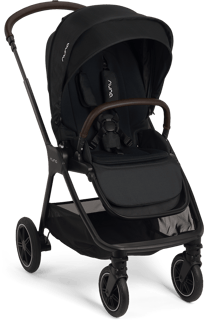 | 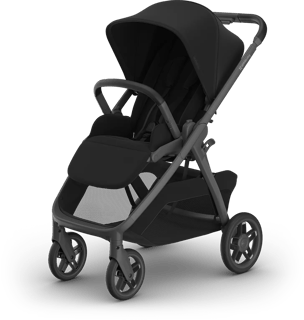 | |
| Scores | ||
| Safety | 99 | — |
| Portability | 73 | — |
| Versatility | 75 | 75 |
| Comfort | 88 | — |
| Everyday Use | 6464100 | 10064100 |
| General | ||
Read the General ComparisonOverviewThe Nuna Triv Next and the Uppababy Kona aim at the same small-fold slot from different directions. The Triv Next is a travel system that takes Nuna PIPA infant car seats, while the Kona is a compact stroller whose seat is rated from birth. Weight is the clearest split between them: the Triv Next is listed at 18.4 lb in its base configuration, while the Kona is listed at 22 lbs. Both carry a child up to 50 lb and both fold with one hand, so the practical choice comes down to the first year. The Kona seat is rated from 0 months and accepts an optional bassinet, while the Triv Next stroller seat is recommended from about 6 months, with the PIPA car seat covering the months before that. Car-seat ecosystems, fabric care and folded shape round out the differences worth checking before you decide. | ||
| Stroller Status | In Production | In Production |
| Country Origin | Netherlands | Unknown |
| Stroller Type |  Travel System |  Compact Stroller |
| Frame | ||
Read the Frame ComparisonSize & HandlingBoth strollers adjust their handle height and include a shopping basket, so everyday ergonomics are broadly similar. The differences are heft and footprint. The Triv Next is the lighter push at 18.4 lb in its base configuration, excluding the insert, armbar and canopy that add about 2.6 lb. The Kona lists 22 lbs. Unfolded, the Triv Next stands 42.25 in high, 22.5 in wide and 33.5 in long, while the Kona measures 38 in high, 21 in wide and 33.6 in long, so the Nuna is the taller, slightly wider frame and the Kona sits lower and narrower. | ||
| Stroller Weight | 8.35 kg2.9537 | 9.98 kg2.9537 |
| Frame Material | Aluminum | Aluminum |
| Unfolded Dimensions | 42.25 in H x 22.5 in W x 33.5 in L | 33.6 in L x 21 in W x 38 in H |
| Rocking Frame | No | Unknown |
| Maximum Weight Capacity | 22.68 kg9.9899.79 | 22.68 kg9.9899.79 |
| Handle Height Adjustment | Yes | Yes |
| Handle Material | Leatherette accents on pushbar | Unknown |
| Handlebar Height | 106.5-110.5 cm | — |
| Shopping Basket | Yes | Yes |
| Seat | ||
Read the Seat ComparisonSeating & CapacityEach stroller carries one child up to 50 lb, and the Triv Next manual adds a separate 45 in height limit. The Kona is a single-seat stroller that does not convert for a second child; the maker directs parents who need two aboard toward the Vista V3 or a PiggyBack standing board. In its favor, the Kona seat is rated from birth and reverses, so your baby can face you or the world, and a bassinet is compatible as an optional add-on rather than part of the standalone package. The Triv Next stroller seat is recommended from about 6 months, and Nuna describes the PIPA infant car seat as the ride for the months before that. A reversible seat or bassinet mode is not established for the Triv Next, so treat those as open questions rather than missing features. Comfort & CareOn comfort the two overlap heavily: both seats recline, both have a canopy with a peek-a-boo window, and both offer a footrest plus an adjustable legrest for growing legs. The Triv Next stands out with a one-hand recline across three positions, an all-season seat that converts to breathable mesh for summer, and an extendable UPF 50+ canopy fitted with an eyeshade. No full-flat recline angle is established for either seat, so neither is proven as a lie-flat solution. On care, the Kona holds the edge: its manual lists removable, machine-washable main-seat and canopy fabrics on a cold gentle cycle, with separate care instructions for the basket. No comparable washing guidance is established for the Triv Next, so its fabric care remains an open question rather than a confirmed mismatch. Harness & RestraintsBoth strollers secure a seated child with a five-point harness. The Triv Next harness is a quick-release, no-rethread design that can also convert to a three-point configuration. The Kona pairs its five-point harness with a bumper bar for your child to hold or lean against. | ||
| Seats Number | 1 | 1 |
| Double Type | – | – |
| Recommended Age | 6 months + | 0 months + |
| Converts Double | No | No |
| Reversible Unit | Yes | Yes |
| Bassinet | Yes | Yes |
| Safety Harness | 5-point | 5-point |
| Safety Harness Padding | Yes | Yes |
| Height Adjustable Harness | Yes | Yes |
| Ventilation Integrated | Yes | Unknown |
| Canopy | Yes | Yes |
| Waterproof Canopy | Yes | Yes |
| Peek A Boo Window | Yes | Yes |
| Bumper Bar | Yes | Yes |
| Reclining Backrest | Yes | Yes |
| Full Reclining Backrest | No | Unknown |
| Backrest Type | Handle-operated | Unknown |
| Footrest | Yes | Yes |
| Legrest Position | Yes | Yes |
| Fabrics Removable | No | Yes |
| Fabrics Cleaning | Wipe-clean / Spot-clean only | Machine washable |
| Folding and Traveling | ||
Read the Folding and Traveling ComparisonFolding & TravelBoth strollers fold with one hand. Both fold with a forward-facing seat attached, and the Triv Next folds flat whichever way its seat faces, packing down to 15 in high by 22.5 in wide by 24 in long. The Kona folds to 13.4 in long by 21 in wide by 25.8 in high with the seat attached, and a carry strap lets you shoulder the folded frame. The two fold to different proportions, so measure your trunk or closet against each set of dimensions. | ||
| Folded Dimensions | 132.74 L10.681,482 | 118.97 L10.681,482 |
| Folding System |  Compact flat fold | Unknown |
| Folds Forward Facing Seat | Yes | Yes |
| Auto Locking Fold | Yes | Yes |
| Carry Strap | No | Yes |
| One Hand Fold | Yes | Yes |
| Airplane Carry On | No | No |
| Car-Seat | ||
Read the Car-Seat ComparisonInfant Car SeatsBoth strollers accept infant car seats, but through different ecosystems. The Triv Next takes Nuna PIPA-series seats using a ring adapter included with the stroller. The Kona is car-seat compatible with the seat itself sold separately; Maxi-Cosi and Cybex seats require an optional adaptor bought on its own, while Uppababy's own Aria and Mesa attach without adapters. Whether the Triv Next accepts other brands' seats is not established, so do not assume cross-brand fit. | ||
| Car Seat Compatible | Yes | Yes |
| Car Seat Sold Separately | Yes | Yes |
| Maxi Cybex Adaptors | No | Yes |
| Britax Car Seat Adapters | No | No |
| Wheels | ||
Read the Wheels ComparisonWheels & TerrainThis is a match: both strollers have lockable wheels for steadier steering and suspension on all wheels to soften uneven pavement. No evidence distinguishes wheel size or rough-terrain performance, so there is no basis for calling either one the better all-surface push. | ||
| Number Wheels | 4 | 4 |
| Front Wheels Type | Rubber-coated wheels | — |
| Rear Wheels Type | Rubber-coated wheels | — |
| Front Diameter | 18.0 cm | — |
| Rear Diameter | 22.9 cm | — |
| All Terrain Stroller | Yes | Unknown |
| Brake System | Foot brake | Unknown |
| Lockable Wheels | Yes | Yes |
| Removable Wheels | Yes | Yes |
| Suspension Wheels | All | All |
Read the Verdict
Verdict
If you want one frame from birth, the Kona is the stronger pick: its seat is rated from 0 months, reverses, accepts an optional bassinet, and its fabrics come off for a cold machine wash. If you own or plan to buy a Nuna PIPA car seat, the Triv Next is the easier travel-system route, with an included ring adapter, a lighter 18.4 lb base build and a flat one-hand fold. Both carry one child to 50 lb, and the Kona does not convert for a second seat.