
Chicco Bravo vs Doona — Which Is Better?
Side by side |
Chicco
Chicco Bravo
70
SCORE
|
Doona
Doona
—
UNSCORED
|
|---|---|---|
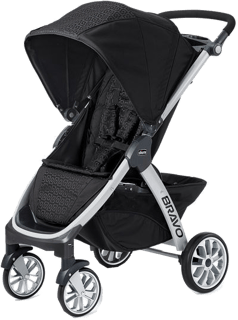 | 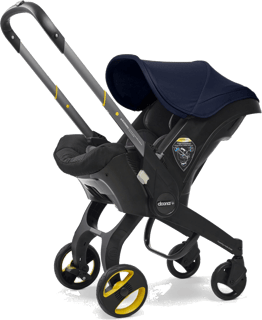 | |
| Scores | ||
| Safety | 907690 | 767690 |
| Portability | 645764 | 575764 |
| Versatility | 353545 | 453545 |
| Comfort | 71 | — |
| Everyday Use | 10044100 | 4444100 |
| General | ||
Read the General ComparisonOverviewThese two travel systems aim at different stages of family life. The Doona is built around a single integrated unit rated for 0-12 months with a 13 kg maximum capacity, so it serves the first year and then hands off to something else. The Chicco Bravo Trio bundles the KeyFit 30 infant car seat and is rated for 0-36 months with a 50 lb toddler seat limit, so one purchase can carry a child well into the preschool years. Everyday use splits the same way. The Doona weighs 7 kg and skips the shopping basket, while the Bravo weighs 24.9 lb as an assembled toddler stroller and includes a basket. Both fold flat with auto-locking folds and carry straps, but only the Bravo records a one-hand fold. On wheels, the Bravo records all-wheel suspension, and neither is recorded as an all-terrain stroller. | ||
| Stroller Status | In Production | In Production |
| Country Origin | Italy | Israel |
| Stroller Type |  Travel System | Travel System |
| Frame | ||
Read the Frame ComparisonSize & HandlingThe Doona keeps a compact footprint at 101.5 x 44 x 82 cm unfolded, with a fixed 97 cm handlebar and no height adjustment. The Bravo unfolds larger at 109 x 55 x 90 cm, but its handlebar pivots through a 96-107 cm range to suit different pushers. For storage on the go, the Doona records no shopping basket while the Bravo does include one, which matters for errands and day trips. Weight is a clear differentiator for lifting in and out of a car: the Doona is recorded at 7 kg, while the Bravo's assembled toddler stroller, including the toddler seat, weighs 24.9 lb. That difference in heft is worth checking against your trunk height and daily routine. | ||
| Stroller Weight | 11.29 kg2.9537 | 7.0 kg2.9537 |
| Frame Material | Aluminum | Aluminum |
| Unfolded Dimensions | 35.2 in L x 22.8 in W x 42.7 in H | 101.5 x 44 x 82 cm |
| Rocking Frame | No | No |
| Maximum Weight Capacity | 22.68 kg9.9899.79 | 13.0 kg9.9899.79 |
| Handle Height Adjustment | Pivoting | No |
| Handle Material | Foam | Plastic |
| Handlebar Height | 96 - 107 cm | 97 cm |
| Shopping Basket | Yes | No |
| Seat | ||
Read the Seat ComparisonSeating & CapacityBoth are single-seat strollers with no double conversion and no reversible seat unit, so the child always faces forward. The meaningful difference is lifespan. The Doona is recommended for 0-12 months with a 13 kg maximum capacity, and it records a bassinet for the newborn stage. The Bravo is recommended for 0-36 months with a 50 lb toddler seat limit, and it records no bassinet; the 50 lb figure is the stroller's toddler seat limit, not the KeyFit 30 car seat limit. Comfort & CareThe recline story is where the two diverge most. The Doona records no reclining backrest at all. The Bravo has a multi-position reclining backrest with a rear-located recline mechanism, though it does not recline fully flat. Both have a footrest, neither offers an adjustable legrest position, and neither records integrated seat ventilation. Weather and check-in features favor the Bravo. Both seats have a canopy, but only the Bravo records a waterproof canopy and a mesh peek-a-boo window; the Doona records neither. On cleaning, both offer removable, machine washable fabrics, so spills and messes are handled the same way on either. Harness & RestraintsRestraint hardware is nearly identical. Both use a 5-point safety harness with padding, and both have a height-adjustable harness so the straps can move up as the child grows. The one structural difference is the bumper bar: the Bravo includes one, while the Doona does not. That does not change the harness setup itself, so the choice here comes down to whether a bumper bar matters to you. | ||
| Seats Number | 1 | 1 |
| Double Type | – | – |
| Recommended Age | 0-36 months | 0-12 months |
| Converts Double | No | No |
| Reversible Unit | No | No |
| Bassinet | No | Yes |
| Safety Harness | 5-point | 5-point |
| Safety Harness Padding | Yes | Yes |
| Height Adjustable Harness | Yes | Yes |
| Ventilation Integrated | No | No |
| Canopy | Yes | Yes |
| Waterproof Canopy | Yes | No |
| Peek A Boo Window | Yes | No |
| Bumper Bar | Yes | No |
| Reclining Backrest | Yes | No |
| Full Reclining Backrest | No | Unknown |
| Backrest Type | Rear lever | – |
| Footrest | Yes | Yes |
| Legrest Position | No | No |
| Fabrics Removable | Yes | Yes |
| Fabrics Cleaning | Machine washable | Machine washable |
| Folding and Traveling | ||
Read the Folding and Traveling ComparisonFolding & TravelBoth use a flat, compact fold with an auto-locking fold and a carry strap, and neither is recorded as airplane carry-on compatible. The operating difference is hands: the Bravo records a one-hand fold and folds with the seat forward-facing, while the Doona records no one-hand fold. If you regularly collapse the stroller while holding a baby or a bag, that is a practical advantage for the Bravo. | ||
| Folded Dimensions | 15 in L x 22.8 in W x 36.8 in H (with child tray) | — |
| Folding System |  Compact flat fold | Compact flat fold |
| Folds Forward Facing Seat | Yes | Unknown |
| Auto Locking Fold | Yes | Yes |
| Carry Strap | Yes | Yes |
| One Hand Fold | Yes | No |
| Airplane Carry On | No | No |
| Car-Seat | ||
Read the Car-Seat ComparisonInfant Car SeatsBoth are travel systems where the car seat is included rather than sold separately. Neither records Maxi-Cosi/Cybex or Britax adapter support, so neither is a fit if you already own one of those infant seats. The Bravo accepts all Chicco infant car seats on its child tray without an adapter, and the US Trio package bundles the KeyFit 30. The Doona takes a different approach: its car seat function is built into the single unit, which weighs 7 kg. | ||
| Car Seat Compatible | Yes | Yes |
| Car Seat Sold Separately | No | No |
| Maxi Cybex Adaptors | No | No |
| Britax Car Seat Adapters | No | No |
| Wheels | ||
Read the Wheels ComparisonWheels & TerrainWheel setups differ in construction and control. The Doona uses EVA foam-coated wheels front and rear with a 12.7 cm front diameter, and its wheels are neither lockable nor removable. The Bravo uses rubber-coated wheels at 7.5 inches front and 10.3 inches rear, with lockable front wheels, removable wheels, and all-wheel suspension. Braking is foot-operated on both, but with different actions: the Doona uses a push down, lift up pedal, while the Bravo uses a rear-linked one-touch foot brake for parking. Neither stroller is recorded as all-terrain, so both are geared to pavement rather than trails. | ||
| Number Wheels | 4 | 4 |
| Front Wheels Type | Rubber-coated wheels | EVA foam-coated wheels |
| Rear Wheels Type | Rubber-coated wheels | EVA foam-coated wheels |
| Front Diameter | 7.5" | 12.7 cm |
| Rear Diameter | 10.3" | — |
| All Terrain Stroller | No | No |
| Brake System | Foot brake | Push Down - Lift Up Pedal |
| Lockable Wheels | Yes | No |
| Removable Wheels | Yes | No |
| Suspension Wheels | All | Unknown |
Read the Verdict
Verdict
Pick the Doona if your priority is the car-first first year: a 7 kg integrated unit, a bassinet option, and a compact footprint suit city errands and frequent car trips with an infant. Pick the Bravo Trio if you want one system from birth to 50 lb on the toddler seat: it adds a shopping basket, a multi-position recline, a one-hand fold, a bumper bar, and all-wheel suspension for daily strolling well past age one. Neither suits rough terrain, and neither records adapter support for Maxi-Cosi/Cybex or Britax seats.